
Protecting Your Garden from Frost
Updated June 2026
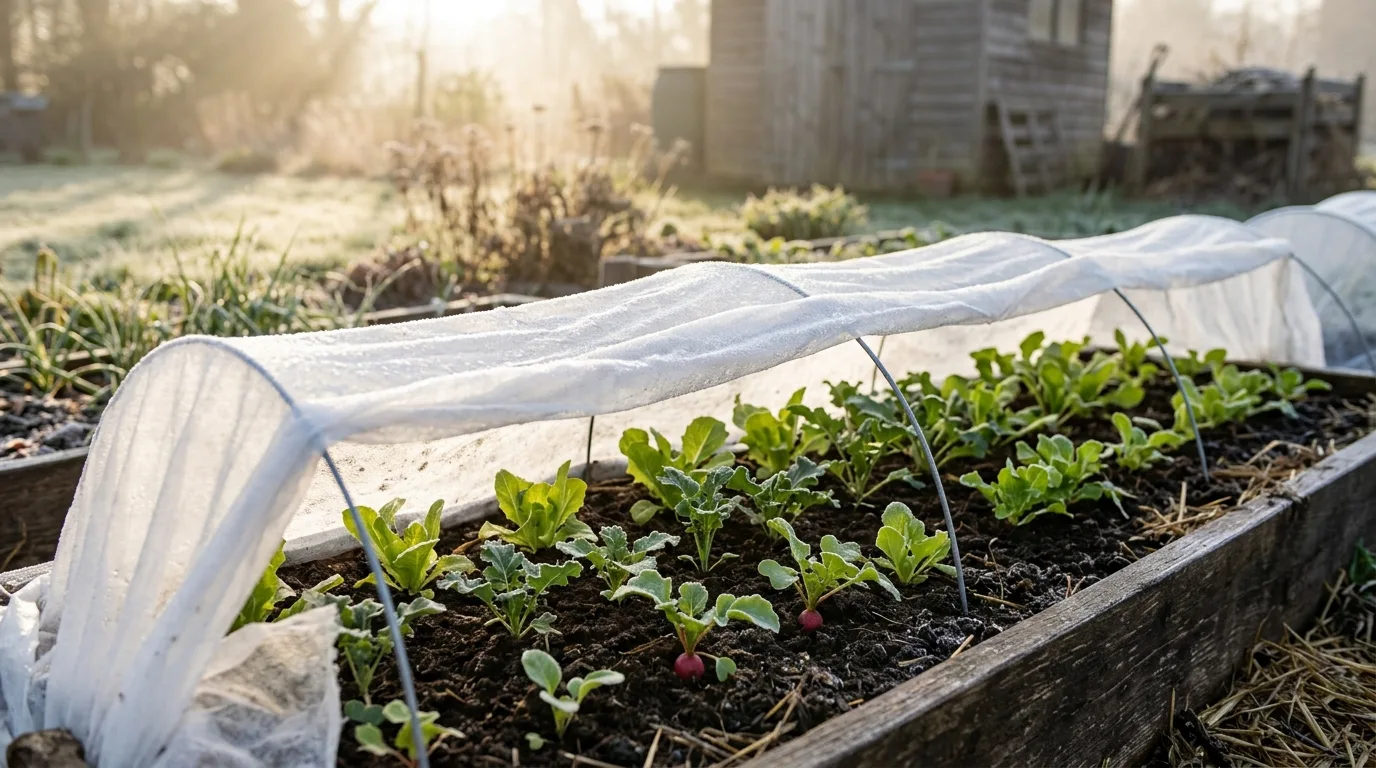
Frost is the great spoiler of the Kiwi garden, and a single hard frost can flatten a bed of tender summer crops overnight. Knowing when frost is likely and how to guard against it is one of the most useful skills a gardener can have.
The risk varies hugely across the country, from near frost-free in the far north to hard, regular frosts inland and through much of the South Island. Working with your local conditions is the key to getting it right.
Know your frost timing
The most useful rule of thumb in New Zealand is Labour Weekend in late October. For much of the country this marks the point where the soil has warmed and the risk of a nasty late frost has passed, making it the traditional time to plant out tender summer crops.
It is a guide, not a guarantee. In the warm north you can often plant earlier, while in cold inland and southern spots Labour Weekend can still be too early, and early November or later is safer. Watch your own patch and keep an eye on the forecast.
Protecting tender plants
If a late or early frost threatens, you can cover vulnerable plants for the night. Frost cloth, an old sheet, or even newspaper draped over plants traps enough warmth from the soil to make the difference. Take covers off in the morning so plants get light and air.
A cloche, which is just a clear cover over a plant or row, protects tender seedlings and lets you plant a little earlier and harvest a little later. Cluster pots together against a wall, which holds the day's warmth and shelters them through a cold night.
- Cover plants overnight with frost cloth, a sheet or newspaper
- Use a cloche to protect seedlings and extend the season
- Move pots against a warm wall or under cover before a frost
- Remove covers in the morning to let in light and air
Building frost resilience
Position helps a lot. Frost settles in low-lying hollows where cold air pools, so a slightly higher or sloping site, or a spot near the warmth of the house, is far safer for tender crops. Avoid planting frost-tender things in a known frost pocket.
Well-fed, healthy plants shrug off cold better than stressed ones, and regular seaweed tonic is known to help plants stand up to frost. Hold tender seedlings back until the risk has passed rather than rushing them out and losing them.
Frequently Asked Questions
When is it safe to plant tender crops in NZ?
Labour Weekend in late October is the traditional marker for much of the country, once frost risk has passed. The warm north can plant earlier, while cold inland and southern areas are safer waiting until early November or later.
How do I protect plants from an unexpected frost?
Cover them overnight with frost cloth, an old sheet or newspaper to trap warmth from the soil, and remove the cover in the morning. Move pots against a warm wall or under cover before the cold sets in.
Where is frost worst in the garden?
Frost pools in low-lying hollows where cold air sinks and settles. Higher ground, a gentle slope or a spot near the house is warmer and safer for tender plants. Avoid planting frost-tender crops in a known frost pocket.