
Mulching Your Garden
Updated June 2026
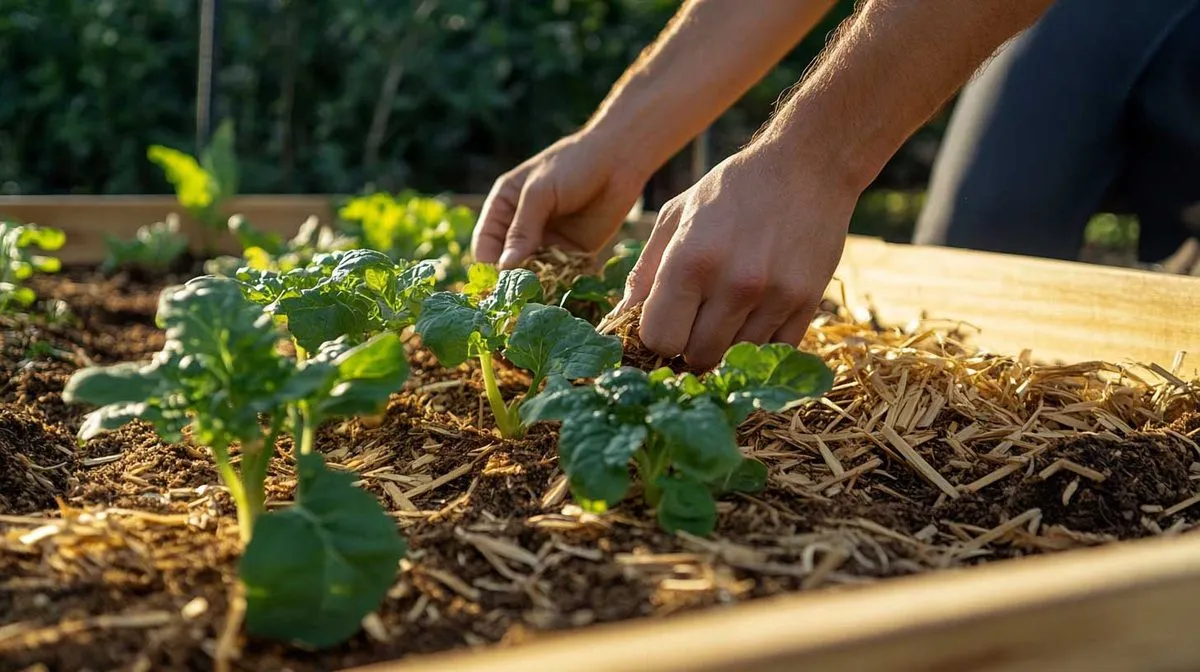
Mulch is simply a layer of material spread over the soil surface. It is one of the cheapest, most useful jobs in the garden, and it pays you back all season.
A good mulch keeps moisture in through a dry Kiwi summer, smothers weeds before they start, and slowly feeds the soil as it breaks down. Once you get into the habit it becomes hard to imagine gardening without it.
In pictures
Why mulch matters here
New Zealand summers can swing from warm and humid in the north to hot and dry inland in the South Island. Bare soil bakes hard, cracks and loses water fast. A layer of mulch shades the surface and slows evaporation, so you water far less often.
Mulch also takes the sting out of coastal and inland wind, which strips moisture from exposed soil. And as organic mulch rots down it feeds the worms and microbes that build good soil structure.
- Holds moisture so you water less through summer
- Smothers weed seedlings and saves hours of weeding
- Keeps soil temperature steady and protects roots
- Feeds the soil as it breaks down
Choosing the right mulch
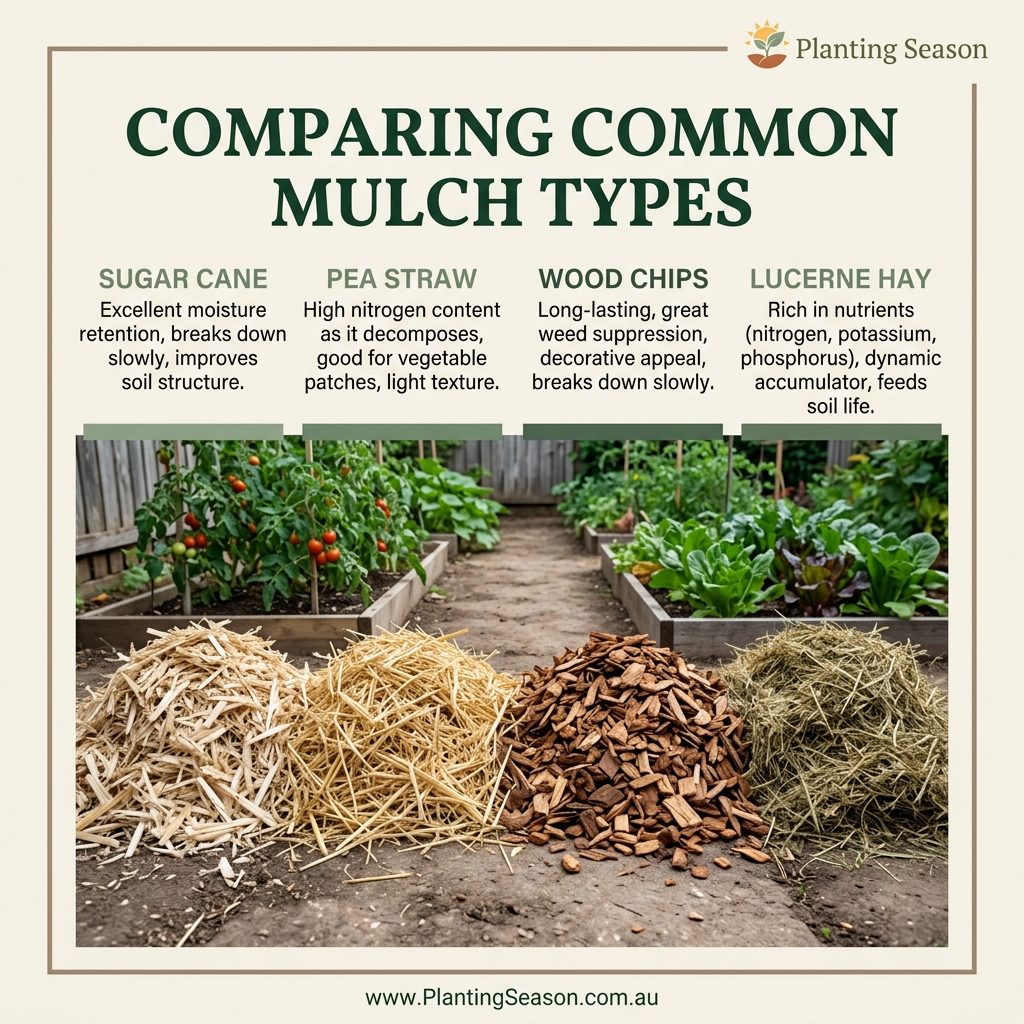
For the vegetable garden, pea straw is the Kiwi favourite. It is cheap, easy to spread and rots down into the soil. Untreated grass clippings, lucerne and compost all work too. Keep these soft mulches away from plant stems to avoid rot.
For paths, shrubs and trees, a coarser bark or wood chip lasts longer and looks tidy. Avoid mulching with anything that has gone to seed, and never use clippings from a lawn that has been sprayed with weedkiller.
- Vegetables: pea straw, lucerne, compost, untreated grass clippings
- Shrubs and trees: bark, wood chip, coarse compost
- Avoid: seeding weeds, sprayed clippings, thick wet layers against stems
How to lay mulch properly
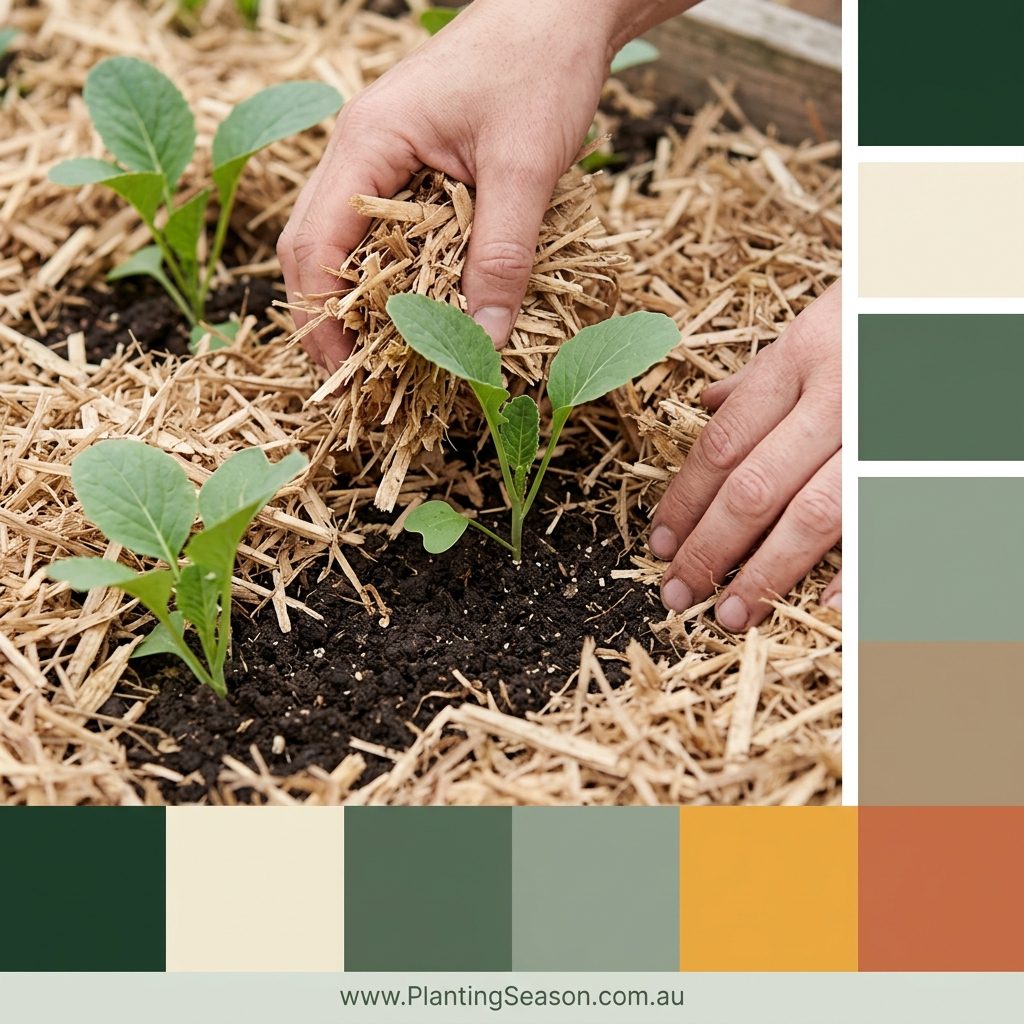
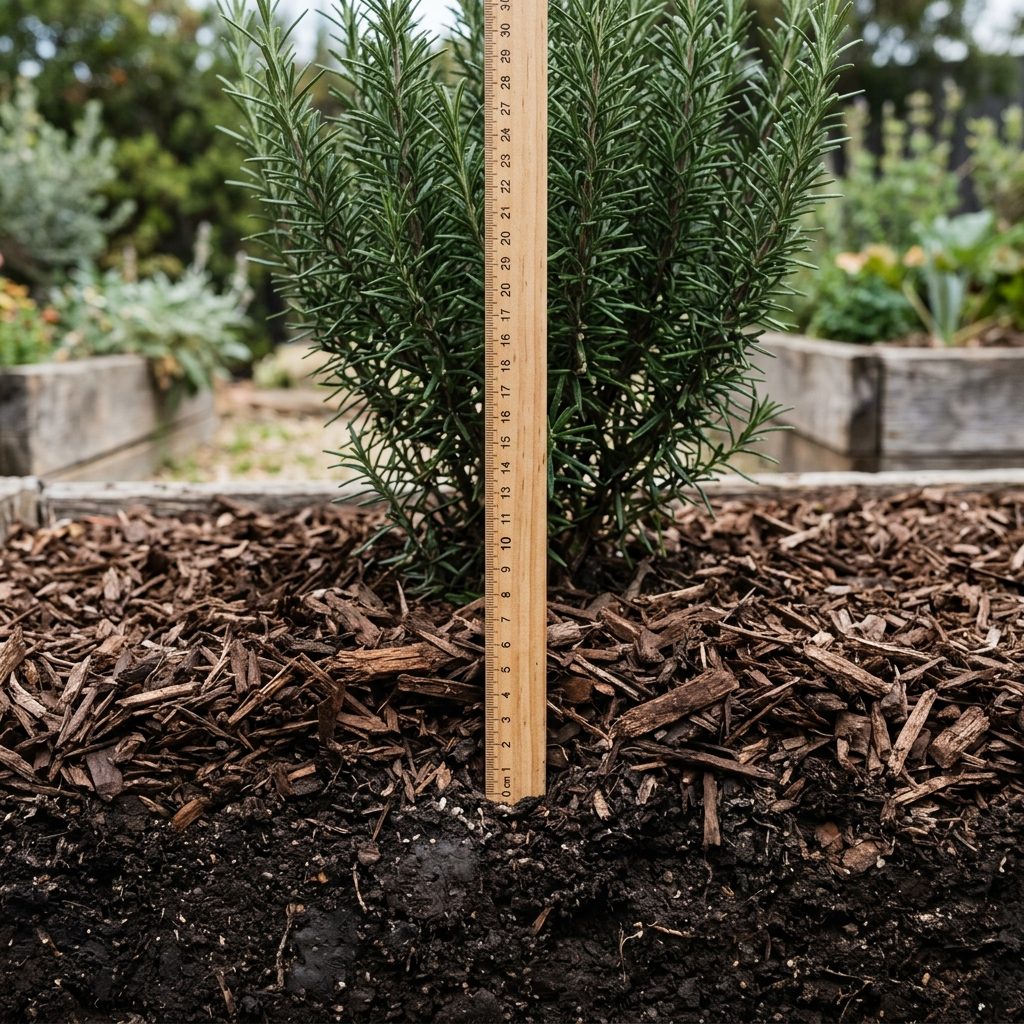
Weed the bed first, then water the soil well. Mulch holds in whatever moisture is already there, so laying it over dry soil just keeps the dry in. Spread a layer five to eight centimetres deep across the bed.
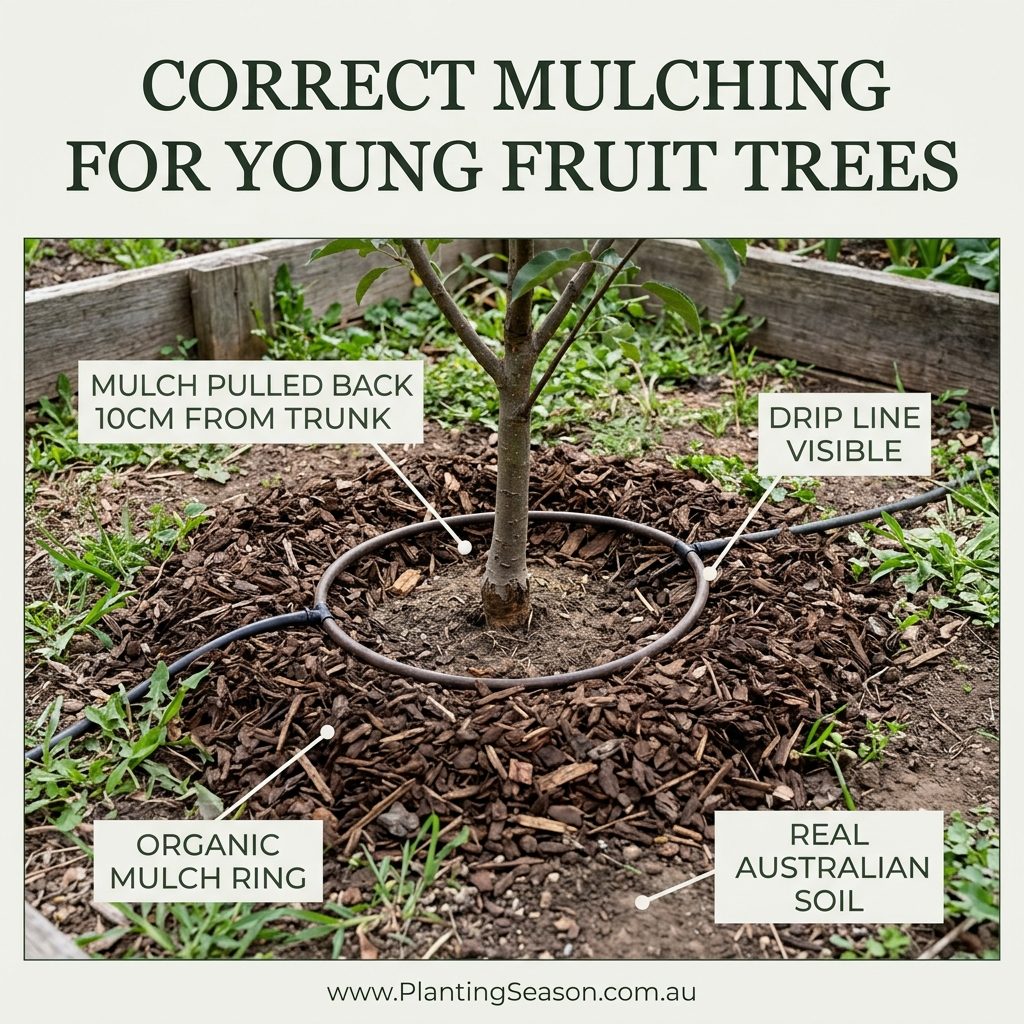
Leave a small gap around the base of each plant so the stem can breathe and stays dry. Top the mulch up through the season as it thins down, and dig the old layer in at the end of the year.
Frequently Asked Questions
How thick should mulch be?
Aim for five to eight centimetres. Thinner than that and weeds push through. Much thicker and water struggles to reach the soil, especially with fine mulches.
Will mulch attract slugs and snails?
Damp mulch can give slugs and snails somewhere to shelter, which is more of an issue in the humid north. Keep mulch a little away from seedling stems, and a coarser mulch holds less moisture at the surface.
Should I mulch in winter?
Yes. A winter mulch protects soil from heavy rain and helps keep roots warmer through frosts. In colder areas it is a useful blanket over the soil until spring planting.