
When to Plant Lettuce in NZ: How to Grow Lettuce by Region
Updated October 2026
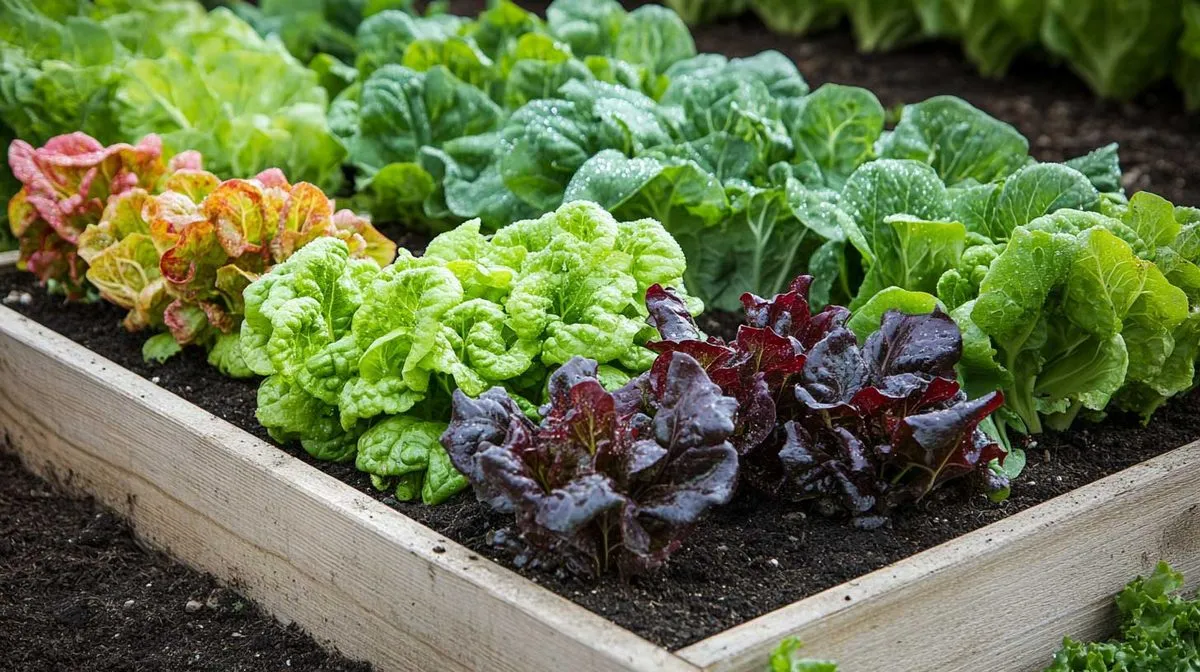
Lettuce is the quickest win in the New Zealand vegetable garden. From a pinch of seed you can be picking salad leaves in around five to seven weeks, and with a little planning you can keep a bowl coming almost all year.
The trick is matching the right type to the season. Soft butterhead lettuce is sweet in the cool months but bolts the moment summer heat arrives. Loose-leaf, cos and crisphead types stand the heat far better. Get that pairing right and lettuce is close to foolproof.
In the warm north, around Wellington and in Nelson and Marlborough you can sow lettuce from August to May, ten months of the year. The central North Island sows from September to May, Canterbury from September to March, Otago and Southland from October to March, and Central Otago from October to February. June and July are outside the sowing window everywhere, because cold soil stalls the seedlings.
What it looks like as it grows


🌱 Plant profile: Lettuce, with sowing times for your region, companion plants and common pests.
Season and bolting selector
Pick the season and your climate to see the best lettuce types, your bolt risk, and how to sow for a steady supply.
When to Plant Lettuce in Your Region
Lettuce has a long sowing window in New Zealand, but not a year-round one: no region in our data sows in June or July. These are the months to sow seed or plant seedlings in each region. Each region links to its vegetable planting calendar, and the Lettuce plant page has spacing, companions and care notes for your region.
| Region | Sow or plant | Local note |
|---|---|---|
| Northland | August to May | Ease off and use bolt-resistant types in midsummer. |
| Auckland | August to May | Ease off in midsummer and give afternoon shade. |
| Waikato & Bay of Plenty | August to May | Use bolt-resistant types over high summer. |
| Central North Island | September to May | Skip August in the central North Island. Hard frosts and cold soil stall seedlings, so start in September, under a cloche if you can. |
| Wellington & Lower North Island | August to May | |
| Nelson & Marlborough | August to May | Take care over hot summers, with afternoon shade and steady water. |
| Canterbury | September to March | Start spring sowings in Sep under a cloche or frost cloth, as frosts run to mid October. Make the last sowing in Mar so the crop is ready before winter growth stops. Shade summer sowings. |
| Otago & Southland | October to March | Start spring sowings in Oct under a cloche or frost cloth, as frosts run to late October. Make the last sowing in Mar so the crop is ready before winter growth stops. |
| Central Otago | October to February | Start spring sowings in Oct under a cloche or frost cloth, as frosts run into early November. Make the last sowing in Feb so the crop is ready before winter growth stops. Shade summer sowings. |
Summer is inside the window in every region, so keep sowing through the warm months, but switch to heat-tolerant loose-leaf and cos types and give afternoon shade, because soft butterhead bolts in the heat. In the frosty regions, the first spring sowings go under a cloche or frost cloth; our frost dates page has the average last frost for each region.
Position and Soil
Lettuce likes full sun in the cooler months and welcomes afternoon shade in summer to slow bolting. Give it a rich, moisture-holding soil with plenty of compost, as lettuce is shallow-rooted and shows stress fast in dry or poor ground. A pH around 6.0 to 7.0 suits it.
Sowing
Sow direct into a fine seedbed or raise seedlings in trays to transplant. Barely cover the seed, as lettuce needs some light to germinate, and keep the surface moist. Seed goes dormant in hot soil above about 25C, so in summer sow in the cool of the evening, shade the bed, and keep it damp. For a steady supply, sow a small batch every two to three weeks rather than a whole packet at once.
Growing Lettuce From Seed or Seedlings
Lettuce grows readily from seed sown direct, and punnets of seedlings give you a head start when you want to pick sooner. Seed suits succession sowing, because a short row every two to three weeks keeps young plants coming, while seedlings are handy for filling gaps in the bed.
- Prepare a fine seedbed with plenty of compost, or fill a tray with seed raising mix.
- Sow thinly, about 5 mm deep or just pressed into the surface, because lettuce seed needs light to germinate.
- Keep the surface moist. Seedlings appear in about 10 days, and our plant data gives a germination range of 10 to 22 degrees Celsius, which is why summer sowings go in during the cool of the evening.
- Thin or transplant the seedlings to about 25 cm apart for hearting types, or closer for loose-leaf types you pick leaf by leaf.
- Plant punnet seedlings at the same spacing, water them in, and protect them from slugs and snails straight away.
- Sow again every two to three weeks through your window for a steady supply.
Spacing
Space hearting lettuce about 25 to 30cm apart so heads can fill out with airflow between them. Loose-leaf and cut-and-come-again types can go closer, around 15 to 20cm, since you pick leaves rather than whole heads.
Watering and Feeding
Keep the soil consistently moist, as uneven watering brings on bitterness and bolting. Water in the morning at the base to keep leaves dry and limit rot. A light feed of compost or a balanced liquid feed every couple of weeks keeps leaves tender and fast-growing.
Growing Lettuce in Pots
Lettuce is one of the easiest crops for pots, troughs and window boxes, because it is small and shallow-rooted. Our plant data calls for a pot at least 20 cm deep. Fill it with good potting mix with some compost through it, and stand it where it gets sun in the cooler months and light afternoon shade in summer.
Pots dry out quickly, and dry spells turn the leaves bitter and trigger bolting, so water often and evenly. A nitrogen-rich liquid feed every couple of weeks keeps growth fast and tender. Loose-leaf types such as Green Mignonette and the frilly Lollo types are a good choice for pots, because you can pick the outer leaves for weeks. Our salad greens in containers guide covers troughs and cut-and-come-again mixes in more detail.
Common Problems
Watch for slugs and snails, which can clear seedlings overnight, and aphids sheltering in the hearts. Lettuce that shoots up tall and turns bitter has bolted in the heat, so grow in cooler months or give shade. Slimy, rotting outer leaves mean it is too wet and crowded, so thin to spacing and water in the morning. See our NZ pest and disease guide for organic control.
How Long Does Lettuce Take to Grow?
Our plant data allows about 55 days from sowing to a full head. The varieties table below runs from about 50 days for loose-leaf types such as Green Mignonette and the Lollo types to 70 to 80 days for a crisphead like Great Lakes. Loose-leaf lettuce can be picked well before it reaches full size, which is how the first salad leaves come in around five to seven weeks. Growth slows as the weather cools, so allow a little longer for autumn sowings.
Harvest
With loose-leaf and cut-and-come-again types, pick outer leaves as you need them and the plant keeps producing for weeks. Harvest hearting types whole once the head is firm, cutting at the base in the cool of the morning when leaves are crisp. Always pick before a plant runs to seed, as the leaves turn bitter once it bolts.
Store picked lettuce in the fridge, wrapped in a damp cloth or in a bag, where it keeps for 5 to 7 days. If your plants keep running to seed, our guides to stopping lettuce bolting and bitter lettuce explain the causes.
Best lettuce varieties for NZ
| Variety | Type | Days to harvest | Notes |
|---|---|---|---|
| Buttercrunch | Butterhead | About 55 to 65 | Sweet, crisp mini-cos and butterhead cross that holds better in heat than most butterheads. |
| Cos (Paris Island) | Cos / romaine | About 65 to 70 | Upright, crunchy romaine, the standard cos for salads and Caesar, fairly heat tolerant. |
| Great Lakes | Crisphead (iceberg) | About 70 to 80 | Firm, crisp iceberg-type heads that stand summer heat well and resist bolting. |
| Green Mignonette | Loose-leaf | About 50 to 60 | Compact, slow to bolt loose-leaf, the classic reliable NZ home-garden lettuce. |
| Drunken Woman / Lollo | Loose-leaf | About 50 to 55 | Frilly, red-tinged leaves for cut-and-come-again picking and colour in the salad bowl. |
When to sow by region
Lettuce is sown from August to May in the north, around Wellington and in Nelson and Marlborough, and over a shorter spring to autumn window further south. The months for all nine regions are in the region table near the top of this guide. In midsummer, use bolt-resistant types and give afternoon shade, and in the frosty regions protect the first spring sowings with a cloche or frost cloth.
Companion planting
Lettuce grows well with carrots, radish, chives, onion, strawberry and marigold. Taller crops like sweetcorn can give it useful summer shade.
Track your succession sowings, get region-tuned reminders and log every harvest in the free Planting Season app. Open the app to plan your salad bed.
FAQ
When is the best time to plant lettuce in New Zealand?
Lettuce has a long sowing window but not a year-round one. Northland, Auckland, Waikato and the Bay of Plenty, Wellington, and Nelson and Marlborough sow from August to May, and the central North Island from September to May. Canterbury sows from September to March, Otago and Southland from October to March, and Central Otago from October to February. No region sows in June or July. In summer, switch to heat-tolerant loose-leaf and cos types and give afternoon shade.
Why does my lettuce bolt and turn bitter?
Bolting is triggered by heat and long summer days. The plant shoots up a flower stalk and the leaves turn bitter. Grow lettuce in the cooler months, choose bolt-resistant types in summer, give afternoon shade, and keep the water up. Pick before it runs to seed.
How do I keep lettuce all year with succession sowing?
Sow a small batch every two to three weeks rather than a whole packet at once. That way a few heads mature at a time and you are never swamped or left short. In summer heat, sow in the cool of the evening and keep the seedbed moist and shaded. No region sows in June or July, so make a last autumn sowing (May in the north, March in Canterbury, Otago and Southland, February in Central Otago) and pick from it into the colder months.
What lettuce should I grow in summer?
In summer choose loose-leaf and heat-tolerant cos and crisphead (iceberg) types, which stand the heat far better than soft butterhead. Pick leaves young, give afternoon shade, and water consistently to slow bolting.
What lettuce grows best in winter?
In the cool months butterhead and cos lettuces do well, growing sweet and tender in the cooler, shorter days. In frost-prone areas a cloche or a sheltered, sunny spot keeps them going.
Why will my lettuce seed not germinate?
Lettuce seed goes dormant in hot soil above about 25C, so summer sowings often fail. Sow when it is cooler, barely cover the seed as it needs some light, keep the surface moist, and sow in the evening in hot weather.
How far apart should I space lettuce?
Space hearting lettuce about 25 to 30cm apart. Loose-leaf and cut-and-come-again types can go closer, around 15 to 20cm, as you harvest leaves rather than whole heads.
Where can I buy lettuce seeds in NZ?
Lettuce seed and seedlings are widely available at garden centres and online. Common New Zealand suppliers include Kings Seeds, Egmont Seeds and Mitre 10.
Can you grow lettuce in winter in NZ?
Lettuce keeps growing through the cool months in the milder regions, but our data has no region sowing in June or July. In the north, Wellington and Nelson, sow up to May and start again in August, and choose butterhead and cos types, which stay sweet in the cool. In Canterbury and further south the last sowing is in March (February in Central Otago), and a cloche protects plants from hard frost.
How long does lettuce take to grow?
Our plant data allows about 55 days from sowing to a full head. Loose-leaf types such as Green Mignonette are ready from about 50 days and can be picked leaf by leaf even sooner, while a crisphead such as Great Lakes takes 70 to 80 days.
Can I grow lettuce in pots?
Yes. Use a pot at least 20 cm deep with good potting mix, give it sun in the cool months and afternoon shade in summer, and water often, because a dry pot makes lettuce bitter and quick to bolt. Loose-leaf types are a good choice, as you can pick the outer leaves for weeks.
When should I plant lettuce in Canterbury?
Sow lettuce in Canterbury from September to March. Frosts run to mid October on average, so start the September sowings under a cloche or frost cloth, and make the last sowing in March so the crop is ready before winter growth stops.
Plant profile
The lettuce profile has sowing times for your region, companion plants and common pests.